
Introduction to Afghanistan
Afghanistan is a land of dramatic mountains, ancient cities, and deep historical roots connecting Central Asia, South Asia, and the Middle East. With a history spanning thousands of years, the country has been home to major civilizations, trade routes, and cultural exchanges along the ancient Silk Road.
While Afghanistan is not a mainstream tourist destination, it is visited by journalists, researchers, humanitarian workers, diplomats, and documentary teams. Anyone traveling to Afghanistan must plan carefully, stay informed, and prepare thoroughly.
Best Time to Visit Afghanistan
The best time to visit Afghanistan depends largely on climate and region.
- Spring (April–June): Mild temperatures, best for most regions
- Autumn (September–October): Cooler weather, clearer skies
- Summer: Extremely hot in lowlands
- Winter: Harsh cold, especially in mountainous areas
Travelers should always check local conditions and advisories before planning.
Places of Historical & Cultural Interest in Afghanistan
Although access may be limited, Afghanistan is home to several historically significant locations:
🏛️ Kabul
- Capital city with museums, bazaars, and historic neighborhoods
- Kabul Museum holds important archaeological artifacts
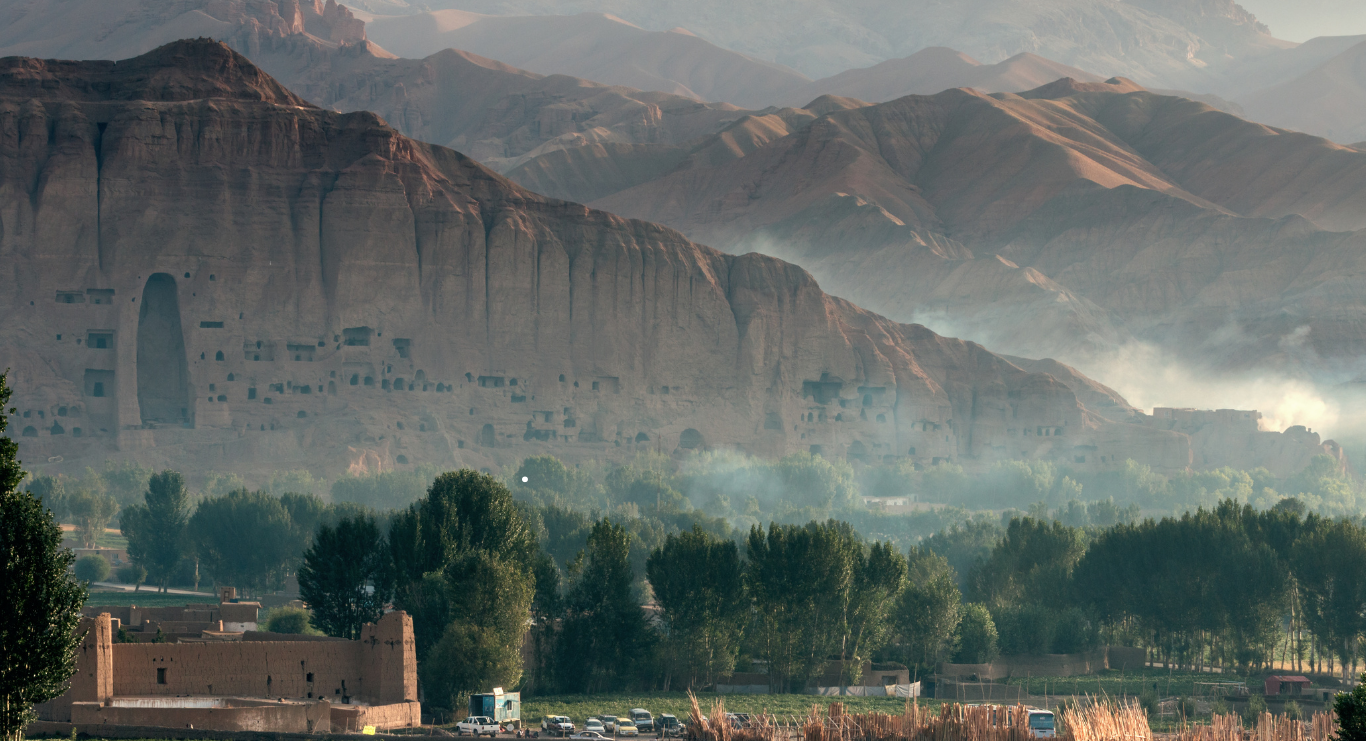
🏔️ Bamiyan Valley
- Famous for the ancient Buddha niches
- UNESCO World Heritage Site
- Stunning mountain scenery
🕌 Herat
- Known for Islamic architecture
- Herat Citadel and Great Mosque of Herat
🏜️ Balkh
- One of the oldest cities in the region
- Important historical and religious significance

Things to Do in Afghanistan (Where Access Permits)
- Document historical and cultural sites
- Conduct academic or journalistic research
- Landscape photography
- Cultural studies and interviews
- Humanitarian and development work
Travel here is purpose-driven rather than recreational.
Afghan Cuisine: What to Know
Afghan food reflects influences from Persian, Central Asian, and South Asian cultures.
Popular dishes include:
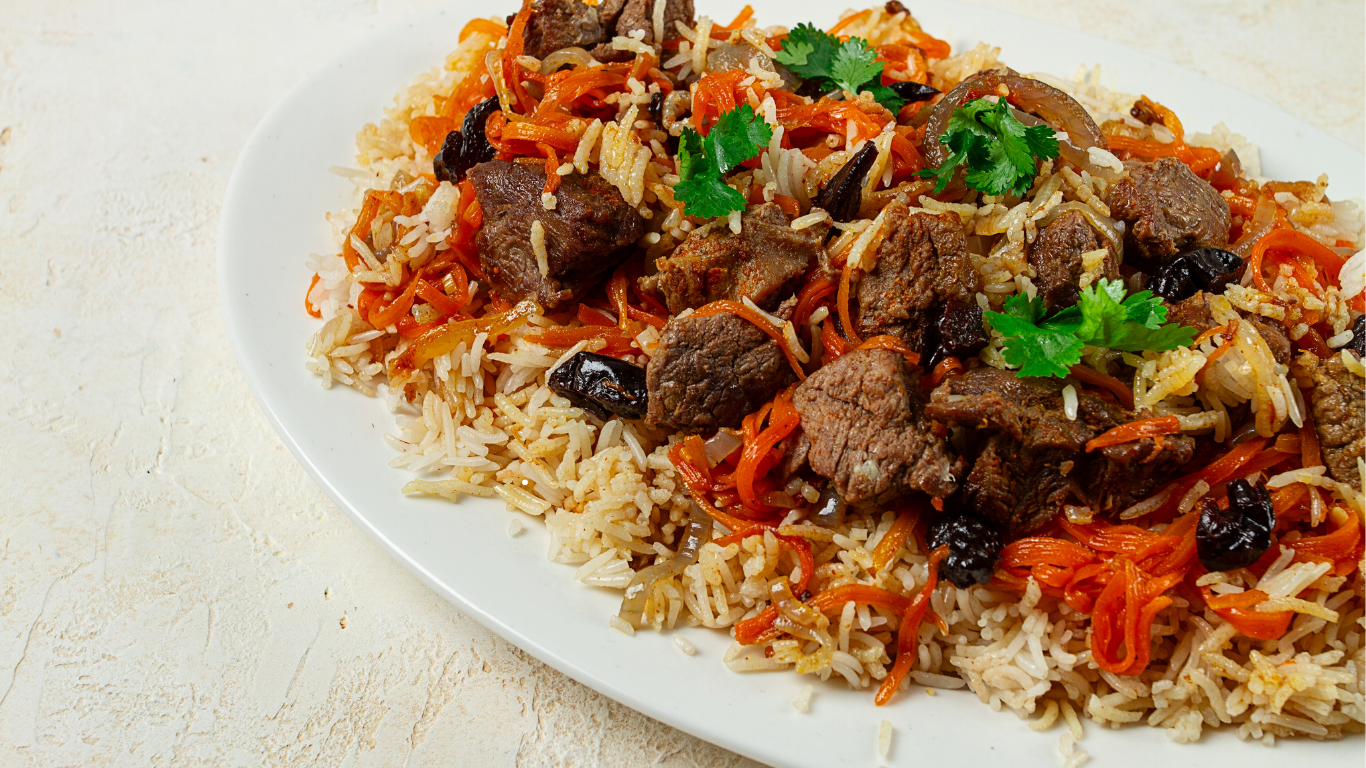
- Kabuli Pulao – rice with meat, carrots, and raisins
- Mantu – steamed dumplings
- Ashak – leek-filled dumplings
- Naan – staple bread served with most meals
Getting Around Afghanistan
Transportation is limited and varies by region:
- Road travel is the most common
- Local drivers and guides are essential
- Domestic flights may operate irregularly
- Travel often requires security coordination
Independent travel is not recommended.
Money, Safety & Cultural Considerations
- Currency: Afghan Afghani (AFN)
- Cash is essential; cards rarely work
- Dress conservatively
- Respect local customs and traditions
- Always follow security advice from trusted sources
Afghanistan requires serious preparation and risk awareness.
Internet & Mobile Connectivity in Afghanistan
Reliable internet access is essential for journalists and professionals working in Afghanistan.
Internet options include:
- Limited public Wi-Fi in major cities
- Local SIM cards (availability varies, registration required)
- Network reliability can be inconsistent
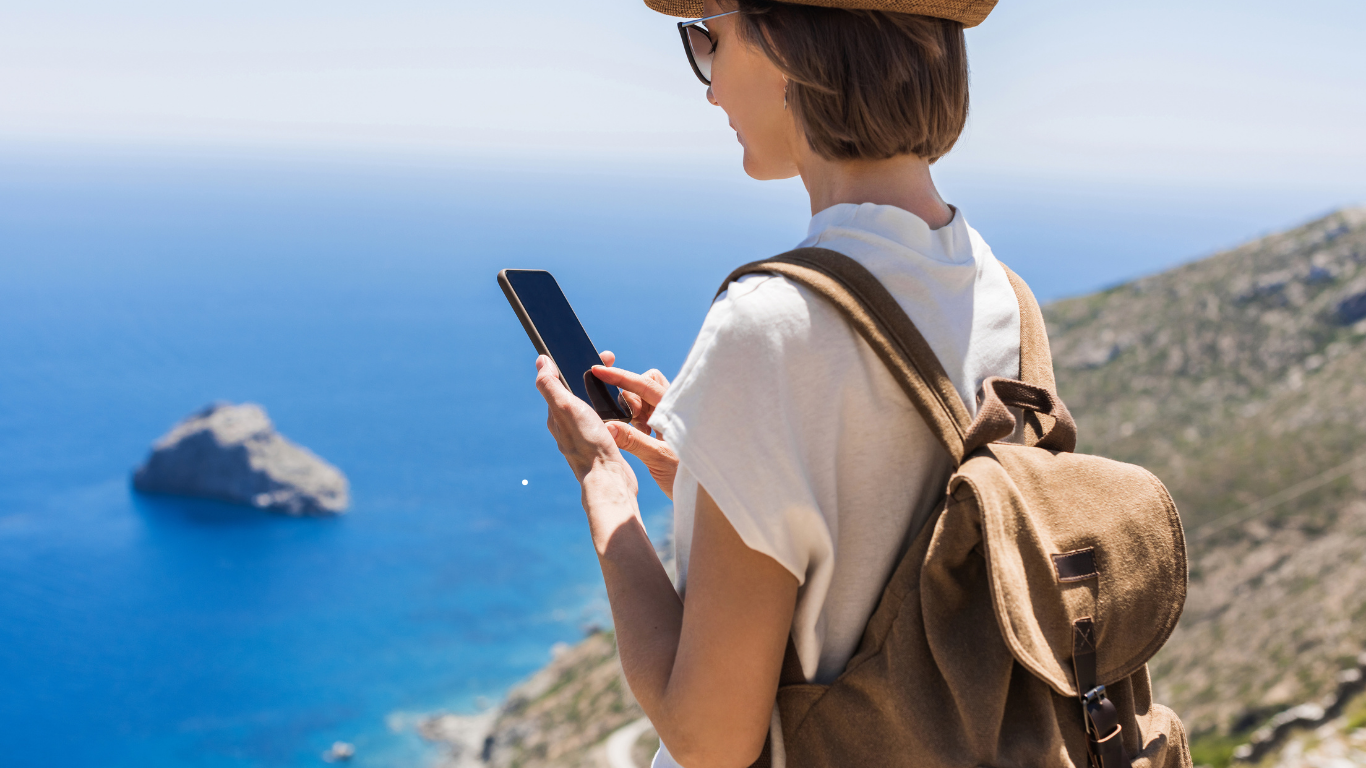
For travelers who need immediate connectivity, many prefer using an international eSIM that can be activated before arrival.
For travelers and professionals heading to Afghanistan, staying connected is essential for maps, communication, reporting, and safety. One practical option is a prepaid eSIM that you can activate before or immediately after arrival.
Spark Roam offers an Afghanistan eSIM with data-only plans ranging from 1 GB to 20 GB that work on major 4G networks and allow hotspot sharing for your phone, tablet, or laptop — all without needing to visit a local SIM shop. For details and available plans, see:
👉 Spark Roam Afghanistan eSIM — https://sparkroam.com/product/afghanistan-esim/
Frequently Asked Questions About Afghanistan Travel
Is Afghanistan open to tourists?
Travel is limited and typically restricted to professionals and official visitors.
Is it safe to travel to Afghanistan?
Security conditions vary and must be assessed continuously.
Is internet available in Afghanistan?
Yes, but availability and speed are inconsistent.
Is English spoken?
English is spoken in professional and international circles.
Final Thoughts
Afghanistan is a complex and historically rich country that requires thoughtful planning and responsible travel. For journalists and professionals, preparation — including communication and connectivity — is essential.
Staying informed, respectful, and connected can make travel more manageable in challenging environments.